Need rodent and wildlife removal in Los Gatos?
Tell us about your pest problem and we will route your request to a local provider in our network. Compare the estimate, then decide with no obligation.
No obligation
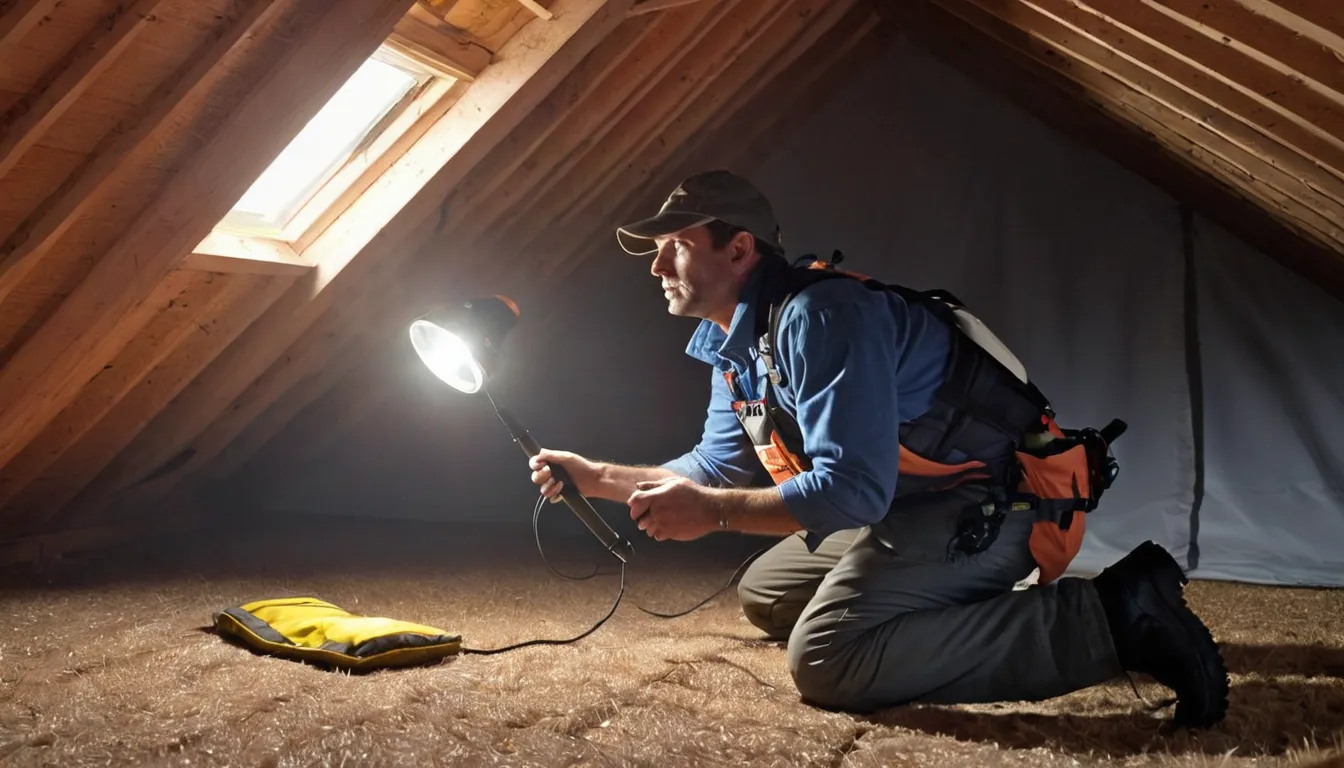
Compare written quotes from local providers
Animals in a home rarely stay a small problem. Mice and rats breed fast and chew wires, pipes and insulation. Squirrels, raccoons and opossums can tear vents and nest in attics. This page explains the signs, the usual steps and what drives the price, so you can judge a quote with confidence.
Polereferred Pest Control is a referral service. We do not do the removal. Independent providers in our network do the work, and each sets its own prices. You can ask for written quotes, compare them side by side, and choose with no obligation. Know what drives price before you agree to anything.
Scratching at night. Thumping above the ceiling. A musty smell you cannot place. These are the common first clues of rodents or wildlife in a home.
Polereferred Pest Control is a referral service. A local provider in our network does the actual work, and you choose who to hire. Referral, not the provider.
Rodents multiply quickly. A few mice can turn into a full colony in one season. Rats gnaw on wiring and pipes, and damaged wiring is a real safety concern.
Larger animals add a time limit. In spring and summer, a mother raccoon or squirrel may have young inside. Removing only the adult can leave babies behind. Early action often means a smaller job and a smaller bill.
Look and listen for these clues:
Some clues are more urgent. Chewed wires, a strong smell from a dead animal, or sounds of young animals should not wait. Droppings in a kitchen or pantry also call for quick action. Keep kids and pets away from the area.
Most homeowners deal with roof rats, Norway rats and house mice. Squirrels, raccoons, opossums and skunks come next. Some providers also handle birds nesting in vents and bats, which often have special rules.
Each animal needs a different approach. A mouse trap line and a raccoon exclusion job are very different in time and cost.
A typical job has four parts. The provider inspects and finds the entry points. Then they trap or exclude the animals. Next they seal the openings. Finally they may suggest cleanup or repairs.
Many wildlife species are protected, and rules vary by state and by season. Some animals cannot be harmed or moved without a permit. Others must be released nearby or not at all.
Ask the provider how they handle each animal and which local rules apply. A clear answer is a good sign.
Trapping alone often brings repeat visits. If the hole stays open, new animals move in. Sealing gaps, vents and rooflines is what makes the fix last.
Some quotes include sealing. Others price it as an extra. Check which one you are looking at.
The animal matters. So does how many there are, how hard the entry points are to reach, and how many visits are needed. A steep roof or a crawl space adds time. Cleanup and repairs are often priced apart from removal.
Many homes here are stucco ranch houses, older bungalows or 1950s to 1980s tract homes. Gaps near rooflines, vents, and crawl-space openings are common in older builds. Raised foundations give rats and skunks shelter.
Long dry spells push animals toward homes that offer water and food. Wildfire smoke seasons can also drive wildlife into neighborhoods. When winter rain arrives, rodents look for dry attics and garages. Expect more activity as seasons change.
Ask for each quote in writing. Check what is covered: inspection, trapping, sealing, cleanup and follow-up visits. A low number that leaves out sealing may cost more later. Compare the written quotes line by line, not just the total.
A good provider explains the plan and gives a written quote. You can say no. You can wait a day and compare. Be careful with anyone who pushes you to sign on the spot.
Trim branches that touch the roof. Store pet food in sealed bins. Keep trash lids tight and clear brush near the house. Cover vents with sturdy mesh. Check the roofline once or twice a year.
Some policies may cover sudden damage, but rodent damage is often excluded. Check your policy. Providers can often help document damage for a claim.
Tell us what you hear or see, and we will connect you with a local provider in our network. You decide what happens next, with no obligation.
A provider checks the roofline, vents and foundation to find where animals are getting in.
Methods vary by animal, and one-way doors or traps are common choices.
Openings are closed with mesh or metal so new animals cannot move in.
Some providers offer droppings cleanup and insulation replacement, often as a separate line item.
Prices vary by animal, home and number of visits. These are typical U.S. ranges, not offers. Ask each provider for a written quote that lists what is and is not included.
| Item | Typical range | Notes |
|---|---|---|
| Inspection | $75 – $300 | Some providers apply it to the job if you hire them |
| Mouse or rat trapping | $150 – $600 | Depends on visits and infestation size |
| Squirrel or raccoon removal | $250 – $800 | Higher with young animals or hard roof access |
| Sealing entry points | $200 – $1,000 | Varies with number and height of openings |
| Attic cleanup | $500 – $3,000 | Depends on droppings and insulation damage |
| Dead animal removal | $100 – $500 | Odor treatment may cost extra |
Tell us what you hear, see or smell, and where in the home it happens.
We connect you with a provider in our network who handles this kind of job.
Check what is included, such as sealing, cleanup and follow-up visits.
Hire the provider you prefer. The provider does the work, not Polereferred Pest Control.
We are a referral service. Independent providers do the work and set the prices.
You can ask for written quotes and weigh them side by side before deciding.
There is no obligation to hire anyone, and you can take your time.
We explain what drives cost so you know what to ask for in each quote.
Tell us about your pest problem and we will route your request to a local provider in our network. Compare the estimate, then decide with no obligation.
Typical U.S. costs range from about $150 to $600 for mice or rats, more if sealing and cleanup are added. Prices vary by home and animal. Get a written quote that lists everything included.
Many providers use humane methods such as one-way exits and live trapping. Rules vary by state and animal, and some species are protected. Ask each provider how they handle the animals and which local rules apply to your situation.
Often not, since many policies exclude rodent damage, though some may cover sudden damage. Check your policy and ask your insurer. Providers can often help document damage for a claim. Request a callback to ask about provider availability.
Tell us about your pest problem and we will route your request to a local provider in our network. Compare the estimate, then decide with no obligation.
No obligation